

Wisdom Tooth Extraction
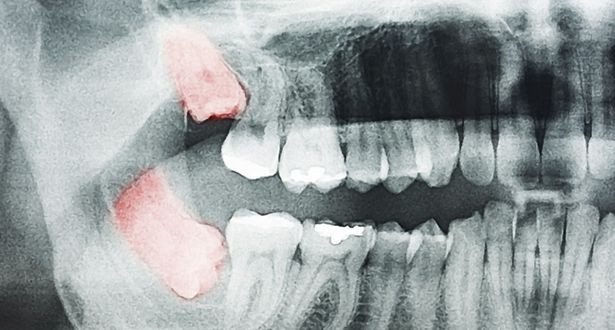
Surgical wisdom tooth extraction is a common procedure required for various reasons depending on the patient, but always with the goal of preserving oral health. In 9 out of 10 people, these teeth do not have enough space to align correctly within the dental arch.
They often become malpositioned or impacted, which can lead to issues such as cavities or resorption of neighboring teeth, cysts, or pain caused by soft tissue inflammation (pericoronitis). It may also be necessary to extract wisdom teeth before starting orthodontic treatment.
Fill out the contact form if you need to book an appointment at our dental clinic in Valencia:

Symptoms of infection after a wisdom tooth extraction
When the extraction is surgical and complex, preventive antibiotics will always be prescribed to reduce the risk of infection. However, this does not mean there is no risk at all. Symptoms that a patient may notice in case of an infection include hardening and heat in the area, sharp pain, and a yellowish discharge with a foul odor.
In addition to antibiotics, the best way to prevent infection is by maintaining good oral hygiene, as the mouth is an area full of bacteria. During the first few days after the extraction, it is recommended to gently rinse the mouth with 0.12% chlorhexidine. If an infection occurs despite these measures, the patient should consult a professional, who will then switch the antibiotic treatment to a more potent one.
Recovery after a tooth extraction
After a wisdom tooth extraction in Valencia, to achieve optimal recovery in the shortest time possible, it is recommended to take medications exactly as prescribed by the specialist—generally antibiotics, anti-inflammatories, analgesics, and chlorhexidine rinses.
Ice will help reduce inflammation and pain during the first few hours. It is also essential to maintain proper oral hygiene and follow a soft diet while the tissues heal.
If no infections or other complications occur that delay recovery, the patient should return to complete normality within 10 to 14 days.
Healing time for a tooth extraction
Care during the first few days is essential to ensure rapid tissue healing after surgery, as the clot forms within five days, preventing hemorrhage and paving the way for healing.
The healing of the gums is very fast, and the area typically appears perfectly healed within 3-4 weeks. However, the hole left by the tooth in the bone takes longer to close, as bone regenerates more slowly. It is common for the patient to notice a gap in the treated area for 3-4 months.
Post-operative Home Care
One of the most important steps for the patient after surgery is to observe relative rest during the first 24 to 48 hours. This means the patient should avoid intense physical exercise during this time, as it increases blood pressure and the risk of bleeding and inflammation. In complex cases, this recommendation may be extended for a few more days.
After the surgery, a gauze will be placed for the patient to bite on for 20 minutes to control bleeding, and ice will be provided for the area to reduce inflammation. During the first day, the patient will be instructed not to rinse forcefully, as doing so could trigger bleeding again; if the taste is bothersome, they should rinse very gently or simply drink some water. Rinsing can begin from the second day. In fact, 2-3 rinses per day with 0.12% chlorhexidine are usually prescribed.
The patient must continue to maintain thorough oral hygiene. They can brush the rest of the mouth normally and use a surgical or extra-soft toothbrush for the surgical site. During the first day, it is advised not to use toothpaste to avoid the need for rinsing or spitting. Additionally, impacted wisdom teeth leave a significant hole after extraction. It is normal for food to accumulate there; if this occurs and causes discomfort, our professionals will teach the patient how to irrigate the area at home using a syringe with pressurized water.

Frequently asked questions about wisdom tooth extraction
Does wisdom tooth extraction hurt?
Fear of pain is very common before oral surgery, which is why we recommend discussing all pre- and post-operative details with your dentist and following their instructions precisely.
Neither the extraction nor the surgical procedures required when a wisdom tooth is impacted within the bone and beneath the gum cause pain during the procedure. This is achieved by correctly applying local anesthetic techniques. The post-operative period—especially following the extraction of malpositioned mandibular teeth (impacted within the bone and/or gum)—can be more uncomfortable, involving inflammation and moderate pain. However, this is easily managed with medications such as ibuprofen, paracetamol (acetaminophen), or metamizole (Nolotil).
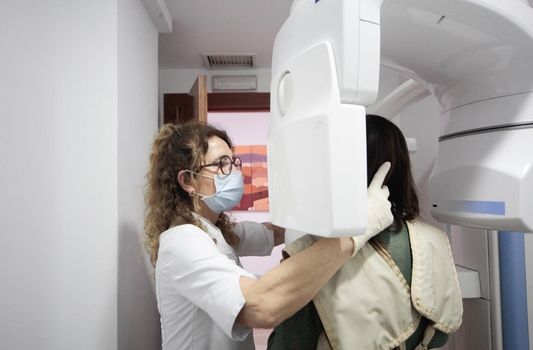
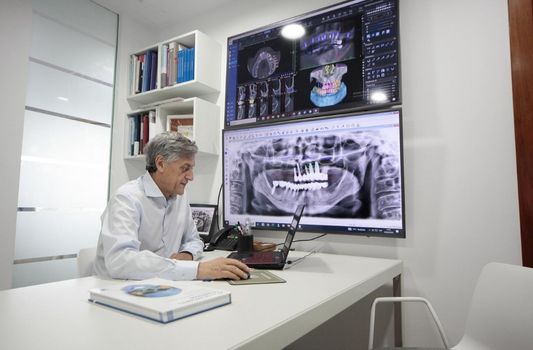
Currently, it is possible to foresee the difficulty of an extraction in advance through a detailed evaluation using X-rays and 3D CT scans to determine the exact location and position of the teeth. This allows the professional to apply the appropriate techniques and avoid unnecessary trauma for the patient.
How long does the pain last after a tooth extraction?
Peak pain after surgery usually occurs within the first 24 hours after the effects of the anesthetic wear off. Intensity will decrease over the following days, and discomfort is typically minimal after 4 or 5 days.
Inflammation, however, tends to develop later than the pain. Patients will notice maximum swelling after 48 hours, which will then gradually disappear, though it may persist a few days longer than the pain. It is important to be aware of this and not worry; inflammation is a normal part of the recovery process following surgery.
What should I eat after a tooth extraction?
After a surgical extraction, patients should not eat anything until the effects of the anesthesia have completely worn off, as they could bite their lip or tongue while they are still numb. However, patients can drink water as well as other beverages such as juice or soft drinks.
Once the anesthesia has worn off, soft and cold or lukewarm foods can be consumed, such as purees, ice cream, yogurt, omelets, sandwiches, etc.
During the first day, overly hot foods should be avoided as they can trigger bleeding. For the first week, it is best to avoid foods containing seeds, which can get stuck in the empty tooth socket and increase the risk of discomfort and infection.
Can I smoke after an extraction?
Smoking is highly counterproductive for the patient, especially during the first few days following any extraction, including wisdom teeth. Smoking increases the risk of infection and can lead to a more painful and complicated post-operative recovery.
Book an appointment for your wisdom tooth extraction in Valencia
At the IDIM Institute of Implantology, led by the Peñarrocha doctors, we don’t just care for your smile—we provide effective solutions, backed by our extensive experience and dedication.
With over 30 years of specialization in dental implantology, we apply advanced techniques and cutting-edge technology to ensure the best results for our patients.
Fill out the following form and book an appointment for your wisdom tooth extraction in Valencia, with no obligation.
+34 963 34 46 75